Pay in installments of $5.62 with
 ,
,
 and
and

Shipping Estimate
USA
- USA
- CAN
- USA
- CAN
Ships within 48 hours · Estimated delivery Jun 29 - Jul 4
 Promo Codes Available:
For Your Every Summer RSVP, with Code: SUMMER15
Description
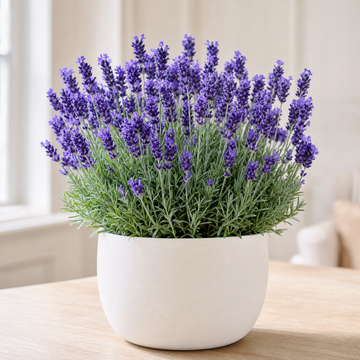
soothing lavender plant Lavandula ‘Superblue’ LavenderThe Lavandua Superblue or Lavandula angustifolia Superblue, is a cold hardy, drought tolerant, and richly hued variety of lavender known for its deep blue purple flowers and ease of cultivation. This English lavender cultivar is loved for its intense, vivid blooms, which make it a striking addition to both gardens and containers. Superblue is highly prized for its aromatic foliage, drought tolerance, and ability to thrive in various growing
The Lavandua Superblue or Lavandula angustifolia Superblue, is a cold-hardy, drought-tolerant, and richly hued variety of lavender known for its deep blue-purple flowers and ease of cultivation.
This English lavender cultivar is loved for its intense, vivid blooms, which make it a striking addition to both gardens and containers. ‘Superblue’ is highly prized for its aromatic foliage, drought tolerance, and ability to thrive in various growing conditions. As a versatile plant, it attracts pollinators and is perfect for borders, herb gardens, and rock gardens, bringing beauty and utility with its fragrant presence.
Lavandula ‘Superblue’ is named for its exceptionally rich blue-purple flowers, which are more intense than most other lavender varieties. The Superblue lavender is native to the Mediterranean region, particularly in the rocky, sun-drenched hillsides of southern Europe. Today lavender is growing worldwide, with ‘Superblue’ flourishing in USDA hardiness zones 5-9.
One of the standout features of Lavandula ‘Superblue’ is its compact, bushy growth habit, which typically grows up to 1 foot tall and spreads about 1 foot wide. Its leaves are grayish-green, narrow, and finely textured, adding a silvery accent to its deep purple blooms.
The plant’s dense foliage creates a lush mound, making it an ideal choice for edging pathways or filling smaller garden spaces. Superblue lavender retains its neat, tidy shape with minimal pruning, adding a controlled yet vibrant touch to any landscape.
The flowers of Lavandula ‘Superblue’ blooms in early to mid-summer and produce tall spikes of fragrant, blue-violet flowers that are highly attractive to bees, butterflies, and other pollinators. The blooms rise gracefully above the foliage, creating a visually striking contrast with the silvery-green leaves. The flowers emit a classic lavender scent, and their rich color persists throughout the bloom cycle, adding a long-lasting splash of color to garden beds and containers.
Its flowers can be harvested and dried for use in potpourris, or sachets, bringing their calming fragrance indoors. In gardens, the plant’s fragrance can help deter pests, and its flowers attract beneficial pollinators.
Lavender is also popular essential oil that is used in herbal medicine and aromatherapy for its soothing, stress-relieving properties. Furthermore, it’s an ideal companion plant, blending well with other drought-tolerant species like sage, rosemary, and thyme.
When and How to Water Superblue Lavander
The Lavandula Superblue is a drought-tolerant plant that requires minimal watering once established. This means watering the plant thoroughly when the soil is dry to a depth of about 1-2 inches. It's essential to allow the soil to dry out between waterings to prevent root rot and other issues caused by overwatering.
In the spring and summer, during the growing season, you can water the Lavandula Superblue plant approximately once every 7-10 days, depending on the weather conditions and soil drainage. It's important to adjust the watering frequency based on factors like temperature, humidity, and rainfall. During hot and dry periods, you may need to water the plant more frequently, while in cooler or rainy weather, you can reduce the watering frequency.
In the fall and winter months, you should reduce watering to allow the plant to enter a period of dormancy. Water the plant sparingly, only when the soil is dry to the touch, about every 2-3 weeks. This reduced watering schedule helps mimic the plant's natural growth cycle and prevents waterlogging during the plant's dormant phase.
By understanding the seasonal watering needs of the Lavander Superblue plant and adjusting your watering routine accordingly, you can help promote healthy growth and ensure the plant thrives in its environment. Remember to always monitor the soil moisture levels and adapt your watering schedule based on the plant's specific requirements to maintain its overall health and vigor.
Light Requirements – Where to Place Your Superblue Lavender
When grown indoors it’s essential to place your superblue lavender in a location where it can receive ample bright, indirect sunlight. A south-facing window is ideal for providing the plant with the necessary sunlight it needs for healthy growth.
If a south-facing window is not available, you can supplement the light with a grow light to ensure the lavender receives adequate light exposure.
For outdoor cultivation, Lavandula Superblue plants thrive in full sunlight. These plants require at least 6-8 hours of direct sunlight daily to flourish.
Choose a spot in your garden or landscape that receives plenty of sunlight throughout the day. In regions with hot summers, providing some afternoon shade can help protect the plant from intense heat and sunburn.
Indoor Lavandula SuperBlue plants may benefit from spending time outdoors during the warmer months. If you choose to move your lavender plant outdoors, gradually acclimate it to direct sunlight to prevent sunburn. Start by placing the plant in a partially shaded area and gradually increase the exposure to full sunlight over a few days.
Optimal Soil & Fertilizer Needs
The Superblue Lavender plants prefer well-draining soil with a slightly alkaline pH level 5.9 to 6.2. A sandy or loamy soil mix with good drainage is ideal for Lavandula Superblue. You can improve soil drainage by adding perlite or coarse sand to the soil mix to prevent waterlogging, which can lead to root rot. Planet Desert has specialized potting soil, opens in a new tab that includes an organic substrate with mycorrhizae to help with the growth of a healthy root system to help your plants to thrive.
When it comes to fertilizing Lavandula Superblue, it's important not to over-fertilize as these plants are sensitive to excess nutrients. Fertilize the plant sparingly to avoid causing damage. A balanced, NPK fertilizer formulated for flowering plants can be applied in the spring as new growth begins. Alternatively, you can use a diluted liquid fertilizer once a year during the growing season to provide your superblue lavender with essential nutrients.
By selecting the right soil mix, ensuring proper drainage, and providing appropriate fertilization, you can help your Lavandula Superblue plant thrive and produce healthy growth and vibrant blooms.
Hardiness Zones & More
When growing indoors, Lavandula Superblue plants thrive bright, indirect sunlight with temperatures between 60-70°F during the day and slightly cooler temperatures at night. They prefer moderate humidity levels, around 40-50%.
For outdoor cultivation, Superblue lavender plants are typically suited for USDA zones 5-9. They require full sunlight exposure, receiving at least 6-8 hours of direct sunlight daily for optimal growth and blooming.
They prefer temperatures ranging from 70-90°F during the day and slightly cooler temperatures at night. Lavender plants thrive in low to moderate humidity levels, around 30-40%.
Wildlife – Lavandula Superblue Attracts the Following Friendly Pollinators
The Lavender Superblue plants are known to attract various pollinators and beneficial insects to the garden. The fragrant flowers of superblue lavender, like other lavender varieties, are rich in nectar, making them attractive to bees, hummingbirds, butterflies, and other pollinators. It is also resistant to deer and rabbits.
According to ASPCA, the SuperBlue lavender plants are considered mildly toxic to pets. These compounds aren’t harmful to humans when used in culinary amounts, but consuming excessive amounts could lead to mild digestive discomfort. In recipes, lavender is safe in small amounts and is used for its pleasant floral taste.
How to Propagate Superblue Lavender
The Superblue lavender can be propagated through stem cuttings. To do this, select a healthy stem and cut it just below a leaf node. Dip the cut end in rooting hormone before planting it in well-draining soil. Keep the cutting moist and in a warm, sunny location to encourage root growth. After a few weeks, roots should begin to form and the cutting can be transplanted into their own pot or garden bed. Remember to water regularly and provide adequate sunlight for optimal growth.
Key Takeaways
- It is hardy in USDA zones 5-9 and can tolerate cooler climates than many other lavender varieties, making it versatile for a range of garden settings.
- It produces deep violet-blue, fragrant blooms that appear in abundance, typically from late spring through summer.
- It is highly drought-tolerant once established, making it suitable for low-water gardens and Mediterranean climates.
- A compact variety of lavender, reaching about 1 foot tall, perfect for containers, borders, and small garden spaces.
- It is known for its aromatic, gray-green foliage that adds beauty and fragrance to any landscape or garden.
- In addition to its visual appeal, lavender is also prized for its ability to be used in potpourri and for extracting essential oils. This makes it a popular choice for those looking to incorporate natural scents into their home or garden.
The Bottom Line
Overall, Lavandula ‘SuperBlue’ is a delightful addition to any garden, valued for its cold-hardy nature, striking long-lasting, blue-violet blooms, and enchanting fragrance. This variety is particularly known for its abundant flowers, which attract bees, butterflies, and other beneficial pollinators, adding vibrant life to your garden. It thrives best in full sun and well-draining soil, which helps prevent root rot and promotes strong growth. It’s an ideal choice for container gardens, borders, and even with an indoor accent if adequate sunlight is provided. It is drought-tolerant once established, and only requires moderate watering and a light annual pruning to encourage fresh blooms and maintain its tidy, bushy shape. With its hardy nature and fragrant appeal, Superblue lavender is perfect for creating a calming, low-maintenance landscape that enhances both beauty and biodiversity.
Shipping Notes
- Free Standard Shipping on $100+ Orders to the USA.
- Except Preorder products are shipped in 48 hours.
- Delivery to the USA:
- Standard Shipping : 3-10 business days
- If time is of the essence, please consider selecting expedited delivery for faster service.
Exchange/Return Notes
- We offer a 30-day return/exchange service after receiving.
- Final sale items are not eligible for returns or exchanges.
- To process your return/exchange, please contact us at [email protected]
- Please click here for more details>>> Return & Exchange Policy